




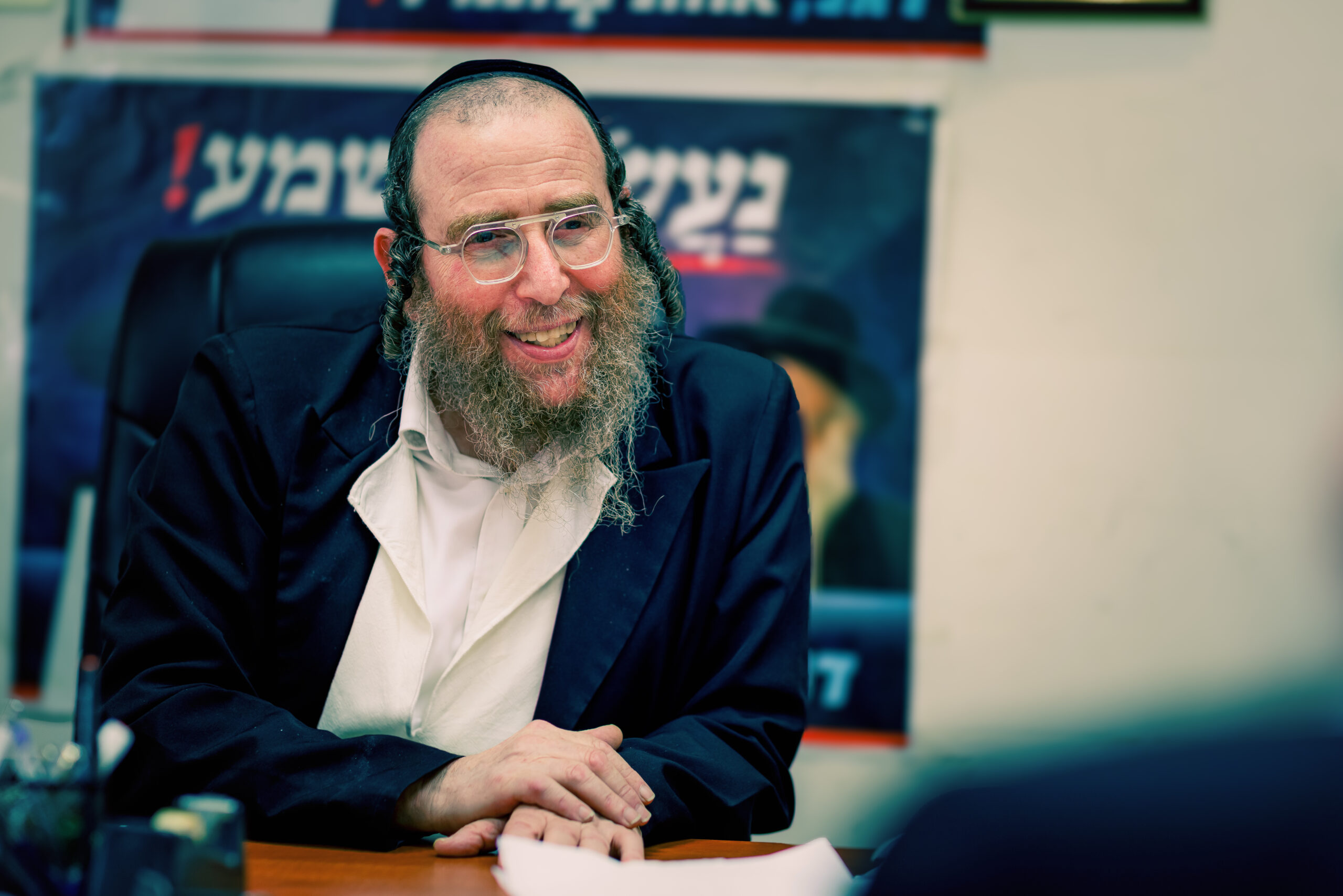
A conversation with noted Bnei Brak askan Reb Motke Blau
Rabbi Mordechai (“Motke”) Blau is one of the more recognizable public figures in Israel’s chareidi community. A noted mechanech, askan and longtime advocate for preserving traditional standards of tznius, chinuch and culture as head of Mishmeres Hakodesh Vehachinuch, he currently serves as CEO of the Todaah organization.
A tenth-generation Yerushalmi, Rabbi Blau’s involvement in education began at the age of 17, when he served as a counselor at Camp Sdei Chemed. He later studied in the Ponevezh and Beis Eliyahu yeshivos before entering the world of communal education and activism, directing the Agudah youth movement in Petach Tikvah and subsequently serving as a rebbi in Bnei Brak.
During his years with Chinuch Atzmai, Rabbi Blau became particularly involved in kiruv and guiding newly observant youth. He was also among the founders of Avos U’Banim, the initiative of Rav Aharon Leib Shteinman that was established to strengthen the bond between fathers and sons through Torah study.
Over the years, Rabbi Blau has been a leading figure in a series of high-profile campaigns concerning the social direction of the chareidi community. Among the issues most closely associated with his name was the struggle over musical events and entertainment programs that failed to conform to accepted standards or fostered a culture of celebrity and popular entertainment inconsistent with traditional chareidi values. His campaigns frequently involved mobilizing rabbinic leadership, educational institutions, advertisers and event sponsors in an effort to influence the public.
To read more, subscribe to Ami