



The lions and wildebeest were spectacular, but the greatest surprises of my Kenyan journey were the Jewish ones
Nairobi: A City of Humanity
That’s what happens when you spend your days on safari in the vast wilderness of East Africa.
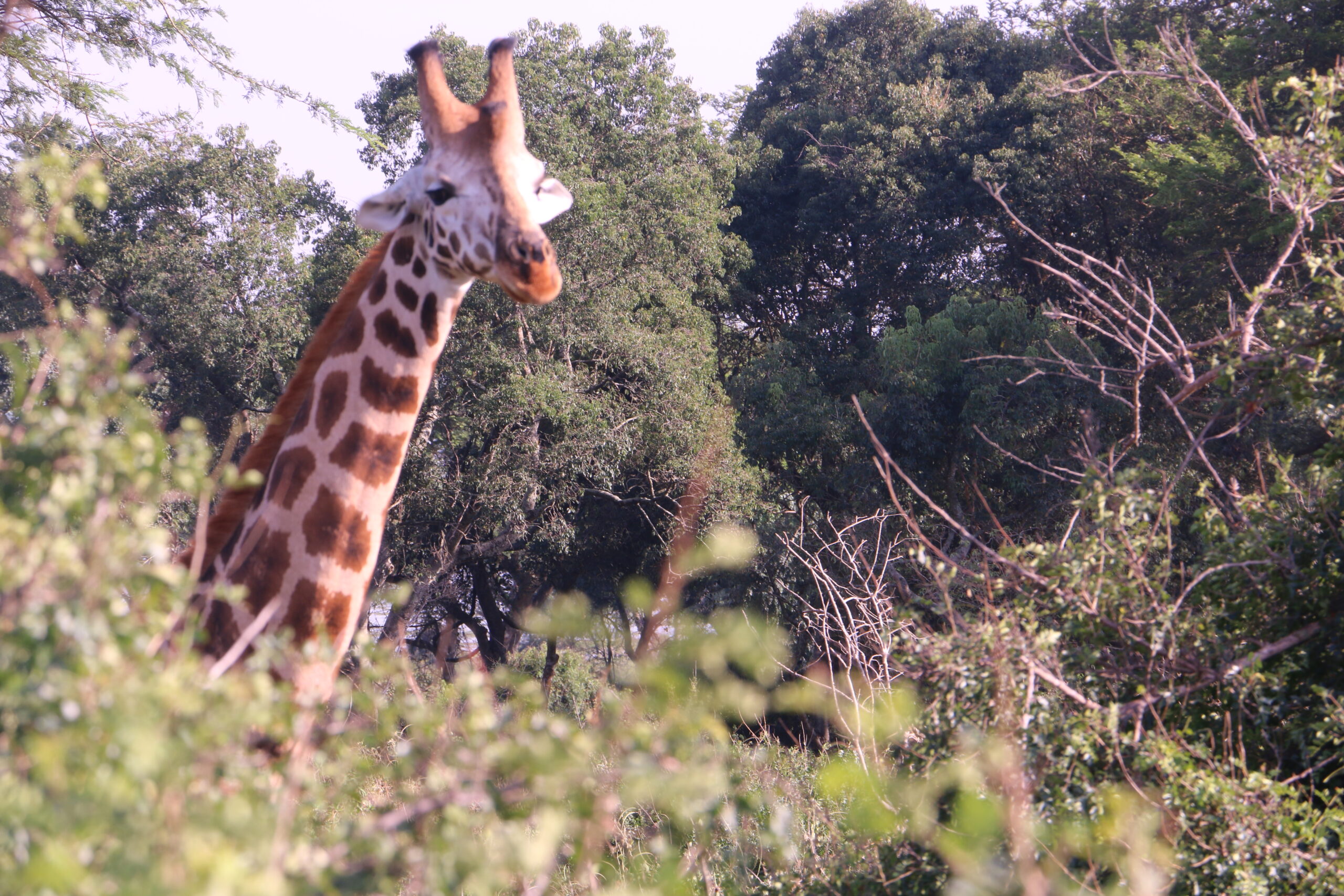
We are in the enormous Maasai Mara National Reserve, which stretches along the banks of the Mara River as it flows from Kenya into Tanzania, where the protected wilderness continues. The plains on either side are essentially the same; only a political border divides the traditional land of the Maasai between the two countries.
Located in southwestern Kenya, the Maasai Mara is one of the last places on earth that remains much as it must have appeared in the earliest days of creation: sweeping grasslands, evergreen trees, untouched plains, and one of the largest concentrations of wildlife anywhere—enormous herds and prides, predators and prey existing side by side in the eternal cycle of life.
Here, visitors can encounter the famous “Big Five”: the lion, leopard, elephant, rhinoceros and buffalo. The term dates back to the British colonial period, when hunting was a popular sport and these five animals were considered the most dangerous to hunt and therefore the most coveted trophies.
At this time of year, the Great Migration is beginning. Millions of animals move from the Kenyan reserve north of the Mara River toward the south and into Tanzania. They cross the river and then the international border in immense herds, surging forward en masse like a desperate tide of migrants storming the fences of Europe.
Kenya, situated in East Africa, borders Ethiopia, Somalia, South Sudan, Tanzania, Uganda and the Indian Ocean. The country takes its name from Mount Kenya, which rises within its borders, and is home to some 50 million people.
Nairobi, its capital, is one of those cities that leaves no one indifferent. The moment you land, it assaults all of your senses at once: the humid air clinging to your skin; rivers of humanity streaming from everywhere to everywhere; the scent of summer flowers mingling with the stench rising from garbage-filled gutters; roasting coffee beans mixing with automobile exhaust, and the sweet aroma of tropical fruits being sliced at roadside stalls.
And above it all rises the din of the matatus.
A matatu is a kind of minibus that serves as public transportation, operated by a driver and a conductor whose job is to collect fares and signal the driver when to stop for passengers. They hurtle madly from place to place, but these are hardly ordinary buses. Each matatu is painted in brilliant colors and decorated according to its own theme, limited only by the imagination of its owner or driver. One might be covered with lions, another with flowers, and a third with sports figures. On a fourth, I spotted, for reasons I could not determine, large blue Stars of David.
As if Nairobi’s streets weren’t noisy enough, the matatus are equipped with powerful speakers blasting music as they race through the city. Remarkably, the conductors somehow manage to make themselves heard even above the deafening music, shouting out destinations and calling for passengers to climb aboard. Add to this the incessant honking of taxis, the jumble of Swahili and English, and the cries of street vendors loudly bargaining over the price of a shirt or a wooden carving, and you have Nairobi: a city that pulses with life and never seems to stop.
To read more, subscribe to Ami