



“Our scopes just went black again. If you care about this, contact your airline and try to get some pressure from them to fix this stuff.”
—An air traffic controller at Newark International Airport, speaking to a FedEx pilot just before 4 a.m. on Friday morning
“It was inevitable at some point that this would happen if you didn’t modernize the system. The biggest thing that we can do for the air traffic controllers is get them technology that works and get them fully staffed.”
—United Airlines CEO Scott Kirby, speaking on Thursday to CNN about an outage at Newark Airport, where his airline has canceled dozens of flights daily, though he said that flying in and out of Newark is still safe.
The screens went black. There were planes in the air, whose pilots had been talking with the air traffic controllers only a few moments ago. Now the radios were silent, and the air traffic controllers had no idea where the planes were—or whether they would crash into one another.
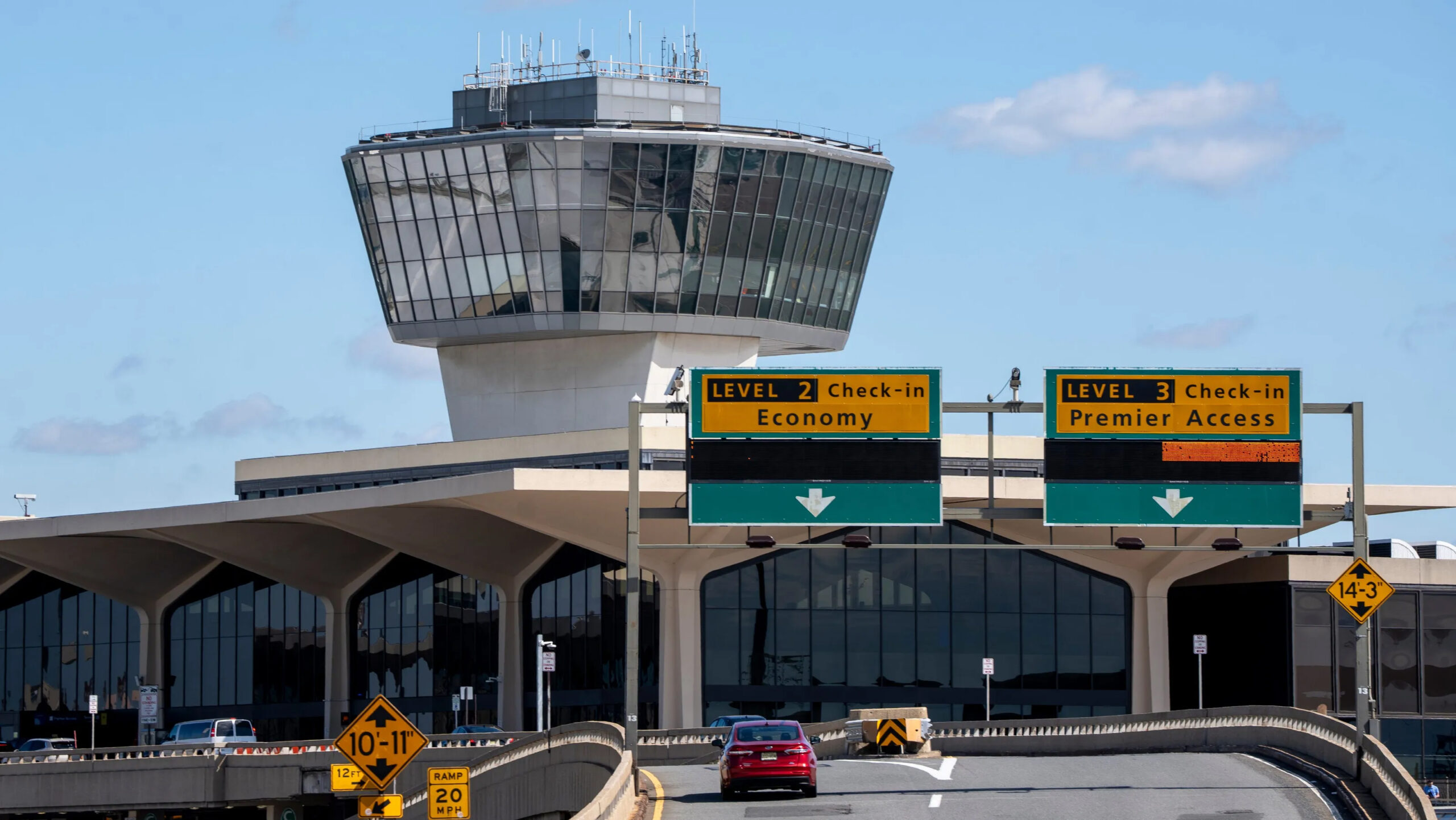
Three radar and communications outages in two weeks at Newark International Airport in Newark, New Jersey, have led to the cancellation and delay of hundreds of flights a day there. For fliers in the New York and New Jersey area—including the many Jewish communities in the area—these represent not just inconvenience but also fear about whether it is safe to fly from one of the region’s busiest airports, with something like 1,200 flights a day when it is operating at full capacity.
The outages have also once again awakened fear about the state of the American air traffic control network as a whole and whether it is heading for more disasters like the midair collision in January near Washington, DC, that killed the 67 passengers of a commercial aircraft flight and a US Army helicopter.
Last week, the Trump administration unveiled a new modernization plan to try to keep outages from occurring and to bolster the air traffic personnel and equipment that keep the skies safe. That brought kudos from some industry officials. United Airlines CEO Scott Kirby said in an interview, “The bill that Secretary Duffy is going to introduce later today…really leaves me the most optimistic I’ve been in my entire career that we’re finally going to get air traffic control modernized and fixed.”
But can the fixes go into place quickly enough? Just a few hours after Transportation Secretary Sean Duffy’s announcement of the new plan, another outage hit Newark. Then on Sunday, another one occurred.
What happened?
The first recent incident at Newark happened on Monday, April 28, at 1:30 p.m. At the air traffic control center in Philadelphia, which oversees Newark, the radar screens showing the locations of planes went black. Radio communications from the planes, usually an ongoing chatter, went silent. Backup systems did not work.
The outage only lasted for 90 seconds, but the radar remained unstable, and the incident left the air traffic controllers—who are responsible for thousands of lives every day—shaken. A number of them took mental health leaves of absence immediately after the event. Just 16 certified controllers were left at the facility while the others were on break.
Then it happened again, early last Friday morning at about 3:55 a.m. Once again, the radar and communications went out for about 90 seconds.
On Sunday, there were communications problems involving what was referred to as a backup system.
The outages have prompted airlines to cancel flights out of Newark, allowing the pace of traffic in and out of the airport to slow, to allow for any future outages. All flights are running about an hour late because of these cancellations.
To read more, subscribe to Ami