


A heroine’s death is a sad symbol too
You’ve probably never heard of Jarosława Lewicka, who recently died at the age of 91 in Haifa, where she lived since 1995.
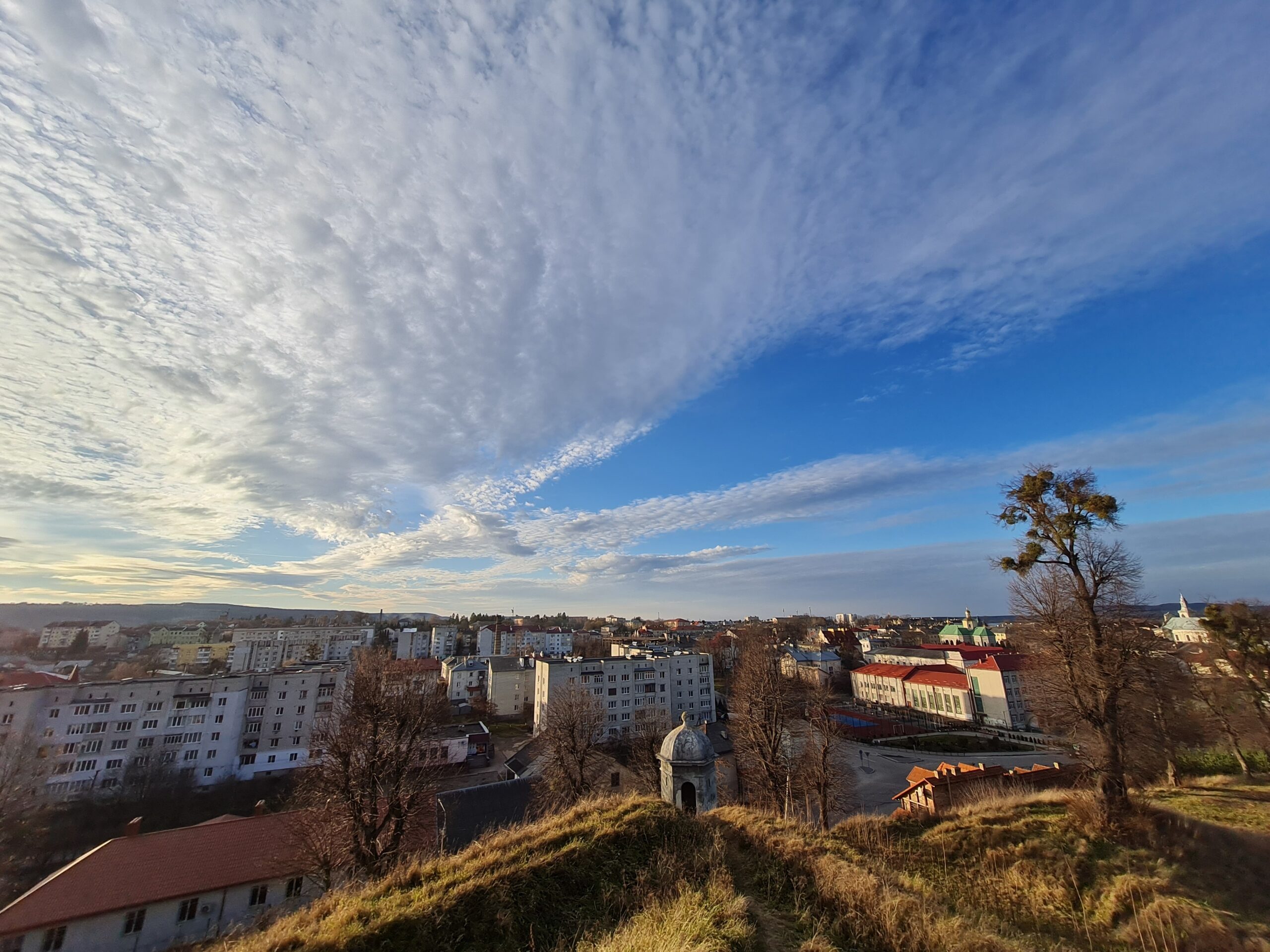
Her passing is noteworthy, not only because of the loss of someone who did what she did as a six-year-old in her then-Polish town of Zolochiv (today part of Ukraine), some 40 miles east of Lviv, but also about what her death means in a larger sense.
The outbreak of World War II saw large numbers of Jewish refugees flee from western Poland to Zolochiv. By then the town had been occupied by the Soviets, who deported many of the refugees to the Soviet Union and conscripted the town’s young men into the Red Army.
Before the Soviets retreated in 1941, the NKVD, Stalin’s secret police, murdered several hundred civilians and buried their bodies in four mass graves. Many were Ukrainian nationalists; some were Jews and some were Poles. After the Nazis occupied Zolochiv, local residents blamed Jews for the murders and launched a pogrom. Over just three days, more than 3,000 people were murdered.
The Nazis, it needn’t be said, didn’t interfere.
It was during that period that Jarosława helped her mother Katarzyna and grandfather Alexander deliver food and medicine to the town’s surviving Jews, whom the Nazis had put under guard. The sentries discounted the movements of a young child, and she was able to serve as a courier, transporting the supplies without arousing suspicion.
In December 1942, a sealed ghetto was established in Zolochiv, but Jarosława, her mother and grandfather continued to help support Jews imprisoned there. The Lewicka family’s home was a bit over a mile from the ghetto, and Jarosława regularly walked the distance carrying food for the Jews in a schoolbag, evading German and Ukrainian police.
The Lewicka family’s efforts extended beyond delivering food to the ghetto. They also supplied provisions to a group of 25 Jews hiding in the basement of a ruined building. And the family sheltered two Jews in their own home. Such actions, of course, carried grave risks.
When 2,700 Jews were herded into cattle cars and sent to the Belzec death camp in August 1943, there wasn’t anything the family could do.
A second roundup, in November 1943, saw the deaths of some 2,500 more Jews. Many surviving Jews fled but were hunted down and killed.
By the war’s end, some 200 Jews were left in the city.
In 1989, Jarosława, her mother, and her grandfather were recognized by Yad Vashem as “Righteous Among the Nations.”
Six years later, Jarosława immigrated to Israel, received Israeli citizenship and settled in Haifa.
After Jarosława’s death, Haifa Mayor Yona Yahav paid tribute to her, saying that Jarosława’s actions “remind us all that heroism is not measured by age or strength but by the willingness to stand beside others even at the risk of personal danger. Jarosława was one of those rare individuals who chose goodness at a time when evil prevailed, leaving behind a moral legacy whose significance transcends time and place.”
The heroine’s passing is sad in itself. But its significance is greater than the loss of a remarkable woman.
Because Jarosława was the last surviving member of the Righteous Among the Nations.
And, in the present moment, when “the nations” teem with mindless hatred of Jews, masquerading as protests against Israeli defense policies (and in many cases against the existence of Israel), the now dearth of non-Jewish WWII-era Holocaust heroes is a grim reality. And a trenchant one.
When Jarosława and her mother and grandfather “chose goodness at a time when evil prevailed,” most of their neighbors, and most of the world, didn’t care much about Jews. There were all too few “righteous among the nations.”
Today, thankfully, many non-Jews care about the fate of Jews in Israel and worldwide. But there are also many, many more “among the nations” who are apathetic about the fate of Jews, if not openly and unapologetically hostile toward us.
And so, with the world empty of any living role model like the little girl Jarosława once was, a thought experiment occurs: How many citizens of the world would risk their lives to save a Jew today? ●